

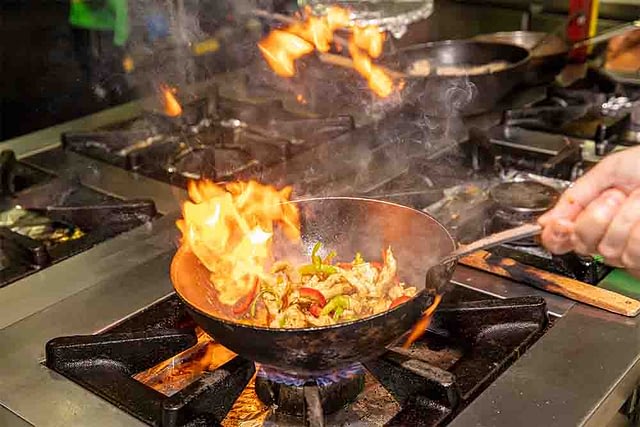
Many commercial kitchens across the UK rely on gas-powered equipment and appliances, which introduce safety responsibilities if they are not managed or maintained effectively.
Gas-related hazards can lead to severe accidents, property damage, and even fatalities if not properly managed. Understanding these risks and implementing preventative measures is essential for any business operating a commercial kitchen.
Ensuring compliance with regulations
In the UK, commercial kitchens must comply with the Gas Safety (Installation and Use) Regulations 1998 and the Health and Safety at Work Act 1974. These regulations require that all gas appliances, pipework and flues are installed and maintained safely. Annual inspections must be carried out by a Gas Safe registered engineer.
Businesses should obtain and retain a valid CP42 certificate after each inspection and keep detailed records of servicing and testing in order to ensure compliance
Failure to meet these requirements can lead to significant fines, legal action, closure of the premises. Beyond legal obligations, adhering to these standards is a vital part of risk management, ensuring the safety of staff and customers while protecting the reputation and continuity of the business.
Gas leaks
Gas leaks are among the most serious hazards in a commercial kitchen. They can occur due to faulty connections, damaged pipes, or worn seals. A gas leak not only increases the risk of fire and explosion but also poses a threat of carbon monoxide poisoning.
Preventing leaks requires regular inspection of gas pipes and connections. Ensuring that emergency shut-off valves are accessible and staff are trained to operate them quickly in an emergency.
Poor ventilation
Adequate ventilation is critical in any commercial kitchen. Without it, harmful gases such as carbon monoxide can accumulate, creating a dangerous environment for staff. Kitchens should be equipped with properly installed and maintained ventilation systems, including extractor fans and hoods that function effectively. Routine airflow checks are essential to ensure compliance with safety standards and to maintain a healthy working environment.
Poorly maintained equipment
Equipment that is not serviced regularly can develop faults, increasing the likelihood of leaks or inefficient combustion. Businesses should follow manufacturer guidelines for maintenance and arrange annual inspections by certified gas engineers.
Prompt replacement of worn or damaged parts is vital to prevent breakdowns and maintain safe operation.
We recommend service contracts on all of your kitchen equipment to help ensure they are well maintained and any errors or faults are rectified.
Canopies and hoods
Flues and canopies play a vital role in removing fumes and excess heat from the kitchen. If they become blocked or damaged, dangerous gases can build up.
Regular canopy cleaning and inspection ensure both safety and compliance with HVAC TR19 and fire safety standards. Specialists like JLA inspect, clean and service all parts of your canopy system. Following a visual inspection of the extractor, access panels and filters the engineer will complete a deep clean and service your unit to remove grease and other blockages.
Staff training
Human error remains one of the most common causes of accidents in commercial kitchens. Even with the best equipment and systems, staff who are not properly trained can make mistakes that lead to incidents.
Comprehensive gas safety training should be provided to all kitchen staff, along with regular emergency drills. Clear safety instructions should be displayed near your kitchen equipment to reinforce best practices.
Improper installation
Gas-powered kitchen equipment installed by unqualified personnel can lead to non-compliance, therefore it is essential to use certified gas engineers for all installations and repairs. Before using any contractors, we recommend checking the Gas Safe register number, name and the signature of the engineer.
Fire safety integration
Fire safety should be closely aligned to gas safety in a commercial kitchen environment. Gas appliances introduce an ignition risk, and when combined with flammable materials and high cooking temperatures, have potential to become a risk.
Installing fire suppression systems in extraction hoods, keeping appropriate extinguishers accessible, and training staff to respond quickly are essential measures. Clear evacuation routes and the ability to shut off the gas supply in an emergency further reduce the risk of a small incident escalating into a major fire.
Trust the experts
By addressing gas safety risks proactively, businesses can protect their staff, customers, and reputation. Regular maintenance, proper ventilation, compliance with regulations, and thorough staff training are crucial for a safe kitchen environment.
If you need any assistance with commercial gas safety checks, kitchen canopy cleaning or fire safety in your commercial kitchen, get in touch with the experts at JLA today.
Similar blogs you may like
Compliance Update: AFFF Foam Fire Extinguishers