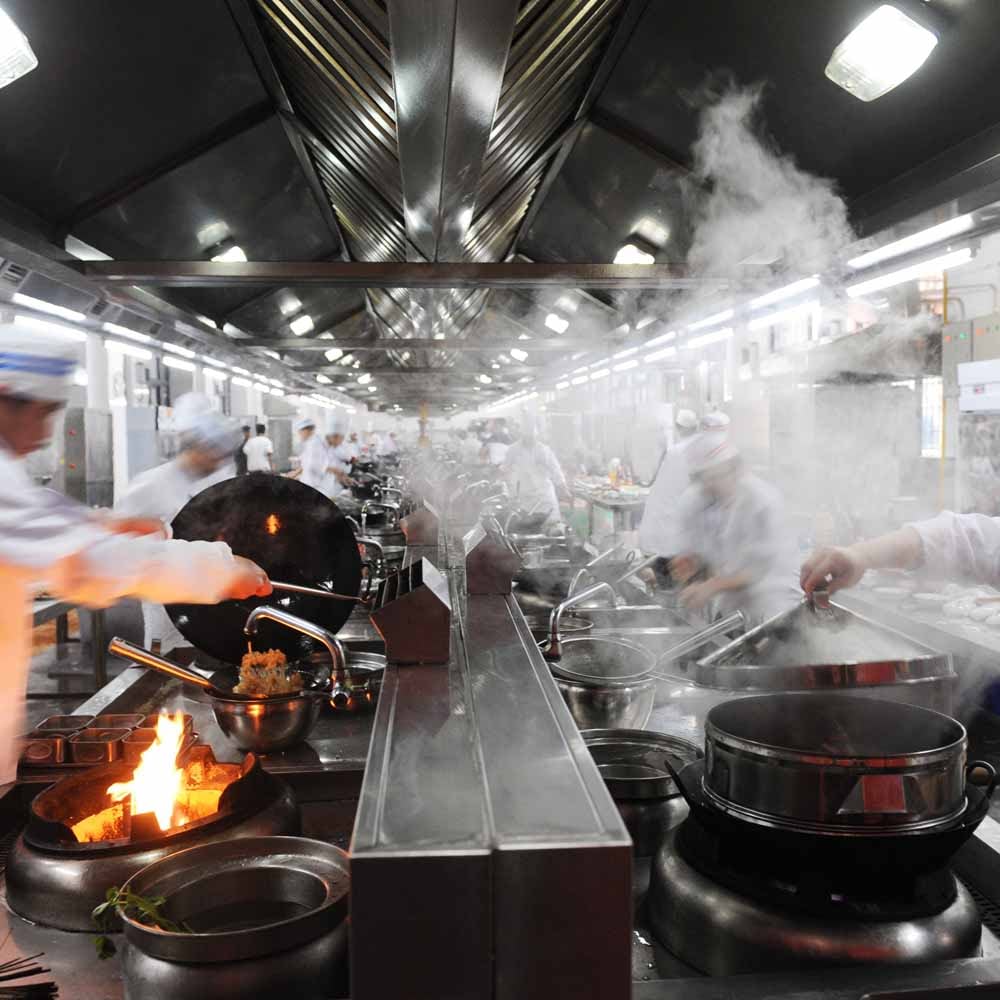
Whether you’re upgrading an old kitchen or looking to fit out a brand-new premises, choosing the right commercial catering equipment will be your top priority – not to mention your biggest investment.
Making smart choices in the planning stages is the best way to guarantee performance, sustainability, and compliance, as well as a happy catering team. But thinking about pricing matters, too. This is because, along with your cookers, warewashers and refrigeration systems, you’ll also need to think about ventilation, fire safety, and storage – all of which can throw up a few surprises, and at the very least stretch your budget.
To help make the process a little easier, we’ve created the following commercial kitchen price guide, which offers realistic, ballpark costs for the essential equipment you’ll need, plus practical advice on how you can spread the cost of your investment with a plan like JLA Total Care, our all-inclusive equipment and support package.
Commercial catering equipment prices
Unlike domestic catering systems, catering equipment is specially designed and engineered to deliver consistent quality results, day after day, and never let you down during busy service periods. For this reason, commercial appliances tend to be more robustly made, use higher quality materials, and pack in more advanced features to simplify your kitchen team’s lives. Understandably, all of this bumps up pricing, and means you’ll also need to invest in ongoing maintenance.
So you have a realistic sense of modern catering equipment costs, let’s break things down.
Combination ovens
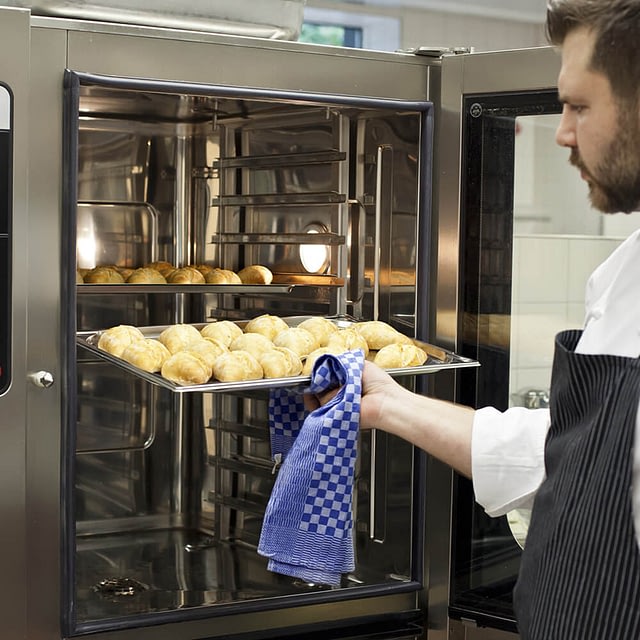
An increasingly vital piece of equipment for any kitchen, a new commercial combination oven does the hard work of multiple systems in a single integrated unit, and is likely to cost anywhere between £3,000 and £22,000, depending on the size and the model you choose. Top-of-the-range combi ovens offer features including preprogrammed menus, multiple fan speeds for extra precision, and energy-saving features like triple-glazed doors to prevent heat loss.
Commercial hobs
From soup-making to secret-recipe sauces, every professional kitchen is likely to need a commercial hob. Smaller, more portable cooktops are available for tighter spaces or mobile catering businesses, but heavier-duty gas hobs with six burners can cost up to £4,500.
Rising energy costs have also seen many commercial kitchens turning to the latest generation of induction hobs, whose technology delivers exceptional performance with added safety. Multi-zone commercial induction hobs with higher outputs can exceed £4,000.
Salamander grills
Made for constant use in busy environments, cookertop or freestanding salamander grills save space without compromising on performance. Their workhorse nature makes them a key piece of kit for any kitchen, where they handle everything from quick grilling to hot-holding finished dishes. Many options are available for a couple of hundred pounds, but market-leading salamander grills are likely to cost up to £4,500.
Bratt pans
Whether you’re frying, stewing, poaching, braising or boiling, multi-functional bratt pans bring real versatility to your kitchen, allowing you to produce whole range of menu items, then clean up quickly afterwards. These feature-packed units can be pricey, with some bratt pans costing up to £7,000.
Bain maries
The perfect solution for gentle heating, cooking and holding food at safe temperatures, bain maries are an essential component in many kitchen environments and canteens. Most commercial bain maries will cost around £200, but you’ll likely need several units if you run a large commercial kitchen or servery.
Dishwashers
Robust enough to use all day (and night), commercial dishwashers will streamline your clean-up process, offering rapid turnaround times and exceptional finishing, cycle after cycle. As they’re built to handle heavy demands, even the smallest and cheapest undercounter dishwashers will come in at around £1,000.
Fridges and freezers
From roadside cafes to starred restaurants, refrigeration is a key consideration for catering operations of any size. But while the most affordable upright fridges are available for around £700, larger options can easily cost upwards of £2,000. More specialised solutions, like walk-in chillers and blast freezers, are likely to cost even more.
Totting up
When the cost of every appliance a kitchen needs is added together, the total for a new commercial kitchen can easily exceed £50,000 – and run even higher if you need larger systems or more premium options.
Other factors that can affect catering equipment pricing
Size and capacity
Generally speaking, you’re likely to invest in equipment that meets the specific demands of your kitchen, with bigger operations looking to systems that offer greater capacity. Larger pieces of equipment will usually cost more than compact semi-commercial appliances, but in some cases, it could be more cost-effective to consolidate equipment so that you have one larger piece instead of multiple smaller units.
Brand/manufacturer
As with any product, varying quality, manufacturing processes and design innovations will lead to some brands being more expensive than others. Greater expense doesn’t always mean better performance, but renowned brands, with proven service records and strong evidence of longevity, are more often than not worth the investment.
Equipment types
Depending on size, functionality and portability, every piece of equipment will have different variants, and different price points. As an example, passthrough dishwashers, which are larger and used constantly in higher-volume environments, are likely to cost more than a compact undercounter model that’s only used once or twice each shift.
Offsetting initial costs with reliability and efficiency
Another factor to consider when you’re pricing up new equipment is the opportunity to offset investment costs with the savings you could realise with more modern machines. Many systems have features designed to actively reduce your energy and water use, and in turn reduce your running costs.
On top of this, newer equipment is often more reliable, further guarding against the unexpected costs of fault repairs, new parts and additional labour, not to mention the disruption that comes with unplanned equipment downtime.
JLA Total Care
While some businesses choose to buy their equipment outright, and have it covered with a flexible service and breakdown plan, many other business owners look to rental and financing options to avoid heavy capital outlay.
At JLA, we meet this need for flexibility and predictable monthly costs with our unique, all-inclusive Total Care package. Through this plan, you pay nothing upfront for state-of-the-art kitchen equipment, and enjoy free installation as well as 24/7 emergency support, including all servicing and repairs, for a simple monthly fee.
The full range of features and benefits available with Total Care include:
• Market-leading equipment with no upfront payments, repair bills or call-out charges – ever
• Installation at no extra cost
• Guaranteed local engineer response
• 24/7/365 support from friendly advisors
• Access to myJLA, with billing, essential documents, engineer booking and support in one place
To find out more about JLA’s commercial equipment solutions, including a Total Care package that helps you avoid huge upfront catering equipment prices, please talk to one of our experts today.
Similar blogs you may like
Cost-saving tips for your catering business